
A beautiful mattress is an investment in better mornings, not something to hide beneath layers of bedding and hope for the best. So, do mattress protectors work? Yes - when you choose the right type and fit it correctly, a quality protector can make a meaningful difference to hygiene, comfort and the lifespan of your mattress.
It is not a magical force field. A protector cannot fix a mattress that has lost support, prevent every allergy trigger in the bedroom, or replace regular cleaning. What it can do is create a discreet, washable barrier between your fitted sheet and the mattress, protecting the surface from the everyday realities of sleep: perspiration, body oils, skincare, breakfast in bed, children’s spills and the occasional cup of tea that does not quite make it to the bedside table.
For a premium mattress with carefully selected comfort layers, that small layer of protection is often one of the simplest ways to preserve its feel and finish.
Do mattress protectors work against stains and spills?
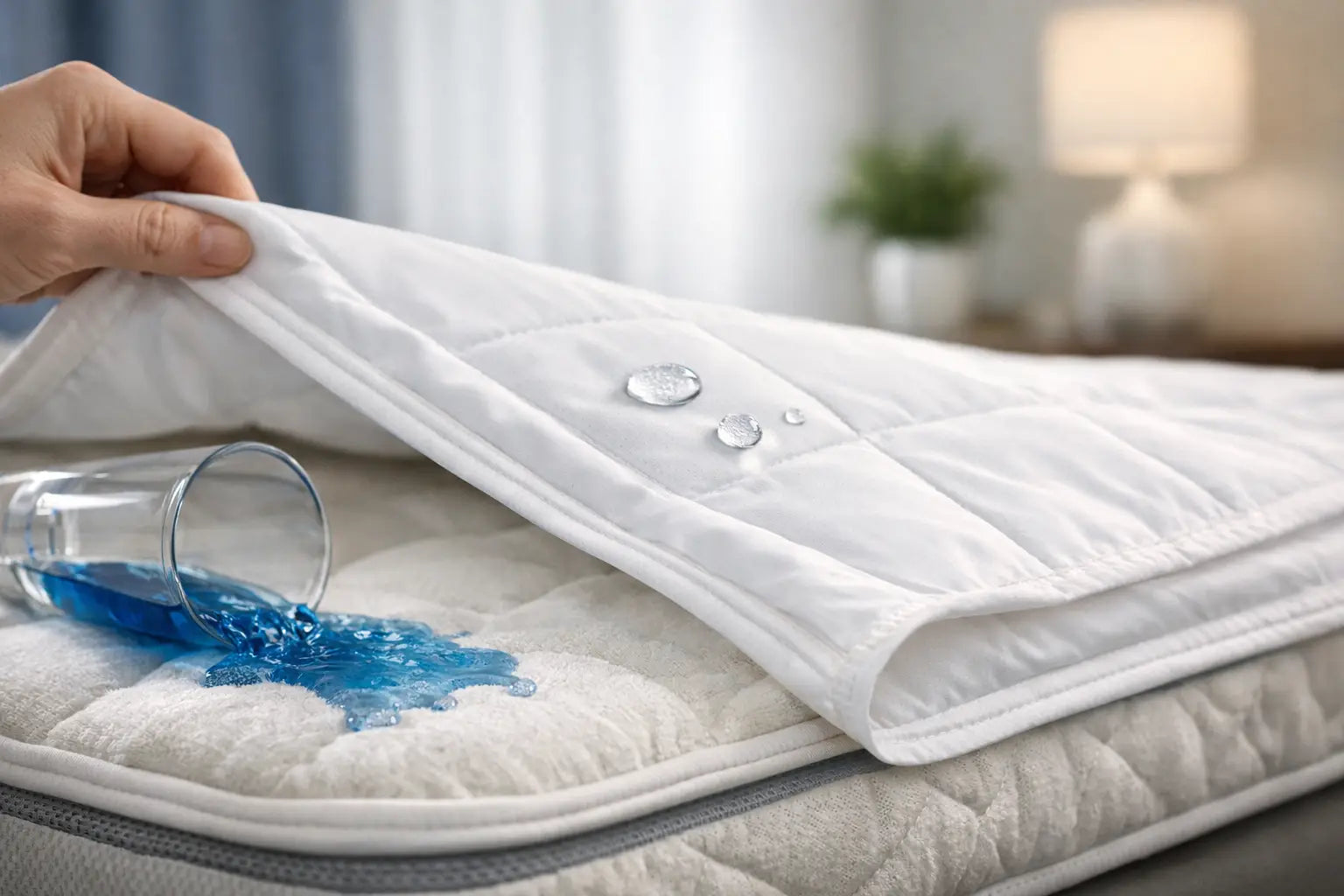
For most households, this is where a mattress protector proves its worth. A waterproof protector uses a thin backing or membrane to stop liquid reaching the mattress beneath. If a drink is spilled, a child has an accident or a pet climbs onto the bed with damp paws, the protector can be removed and washed while the mattress remains protected.
This matters more than appearance. Moisture that reaches the inner layers of a mattress may be difficult to dry thoroughly, particularly in a deep, upholstered bed setting where airflow around the sides can be limited. Persistent dampness can lead to odours and, in some circumstances, create conditions that are less hygienic than you would want in the place you rest each night.
Not every protector is fully waterproof. Some are water-resistant, meaning they offer a degree of protection from light moisture but may not withstand a larger spill or prolonged exposure. That may be perfectly adequate for an adult guest bed or a room where breathability is the main priority. For children’s beds, pet-friendly homes, rental properties or anyone who enjoys tea in bed, a genuinely waterproof design is usually the more reassuring choice.
The quality of the waterproof layer matters. Older-style protectors earned a reputation for feeling plasticky, trapping heat and making a crinkling sound whenever you turned over. Well-made modern options tend to use a quieter, more flexible membrane beneath a soft fabric surface, helping the bed retain the calm, comfortable feel you expect from luxury bedding.
What a mattress protector can and cannot do
A protector is excellent at dealing with surface-level threats. It helps prevent fresh stains, reduces the transfer of sweat and skin oils, and keeps the sleeping surface easier to maintain. Because it is washable, it is far more practical to refresh than a full mattress.
However, it has limits. It will not stop wear caused by an unsuitable bed base, poor mattress support or repeated sitting on the same edge. It cannot restore sagging springs or compressed comfort fillings. Nor can it make a mattress immune to dust mites, although a close-fitting, regularly washed protector can reduce the build-up of skin flakes and other material that mites feed on at the surface.
For allergy concerns, look at the protector as one part of a wider bedroom-care routine. Washing bedding regularly, vacuuming around the bed, airing the room and following the mattress maker’s rotation guidance all play a role. A protector labelled as anti-allergy may be helpful, but it should not be treated as a substitute for medical advice or a carefully managed allergy plan.
There is also no advantage in leaving a protector on for months without laundering it. Its purpose is to collect what you do not want settling into the mattress. To keep it doing that job well, it needs washing according to its care label.
The comfort question: will it change how your mattress feels?
A good mattress protector should be barely noticeable. The thinnest fitted designs are intended to preserve the feel of the mattress, whether you have chosen responsive pocket springs, a pressure-relieving foam layer or a more traditional natural filling.
That said, every additional layer affects the sleep surface to some degree. A thick quilted protector may add a little softness, which can be welcome on a firmer mattress but less desirable if you have deliberately chosen a plush, deep comfort level. A waterproof membrane can also reduce airflow slightly compared with sleeping directly beneath a cotton sheet.
The answer is not to avoid a protector altogether, but to select one that suits your sleep preferences. If you tend to sleep warm, prioritise breathable materials such as cotton or Tencel on the upper surface, alongside a membrane designed to allow water vapour to pass through. If you prefer a cosier, lightly cushioned bed, a quilted protector can provide an extra touch of comfort without the commitment of changing the mattress itself.
For couples, a quiet protector is particularly worthwhile. A noisy backing can become surprisingly noticeable in an otherwise serene bedroom, especially on a super king bed where movement is more easily felt across the surface.
How to choose a mattress protector that earns its place
Start with the mattress size, but do not stop there. Measure or check the mattress depth as well. Deep mattresses, pillow-top styles and mattresses paired with a topper need a protector with generous skirt depth. A protector that strains at the corners can lift during the night, leaving sections exposed and making the bed look less polished.
Then consider the fabric against your skin. Cotton feels familiar, soft and breathable, making it a popular all-round choice. Tencel is valued for its smooth feel and moisture management, while polyester blends can be durable and easier to care for. There is no single best fabric for every sleeper; the right decision depends on whether your priority is natural fibres, easy laundering, cooling comfort or a softly padded finish.
Check the washing instructions before buying. A protector that requires specialist care may not suit a busy family home, while one that can be washed at a suitable temperature and tumble dried on low makes regular care much easier. Having a second protector is also a small luxury with practical benefits: one can be on the bed while the other is in the wash.
Finally, pay attention to construction. Elasticated corners should feel secure, the surface should lie flat, and the waterproof layer should be integrated rather than stiff. The best protectors do their work quietly, allowing the mattress, bed linen and carefully chosen bedroom scheme to remain the stars of the room.
Care habits that help your mattress last longer
A protector works best alongside a little considered maintenance. Strip the bed periodically and allow the mattress to air, particularly after a spell of humid weather or when changing seasonal bedding. Follow the care instructions for rotating or turning the mattress, as not all constructions are designed to be flipped. Keep the bed base clean and ensure it provides the support recommended for your mattress.
If a spill reaches the protector, remove it promptly and wash it rather than allowing moisture to sit. If liquid has already reached the mattress, blot gently with a clean, dry cloth and give it plenty of ventilation. Avoid saturating the mattress or using harsh cleaning products, which can damage fabrics and fillings.
A protector is particularly sensible from the first night with a new mattress. Once a stain or body oil mark has settled into the cover, it can be difficult to remove without affecting the fabric. Beginning with a clean, protected surface gives your mattress the best chance of staying fresh as the years pass.
For anyone creating a bedroom that feels truly personal - from the fabric of an upholstered headboard to the depth of a king-size mattress - these practical details are part of the luxury. A mattress protector may be out of sight, but it quietly protects the comfort, cleanliness and restorative quality of the bed you look forward to returning to each evening.
Share:
How to Clean Upholstered Headboard Fabrics
Ottoman Bed Storage Capacity for Your Bedroom