
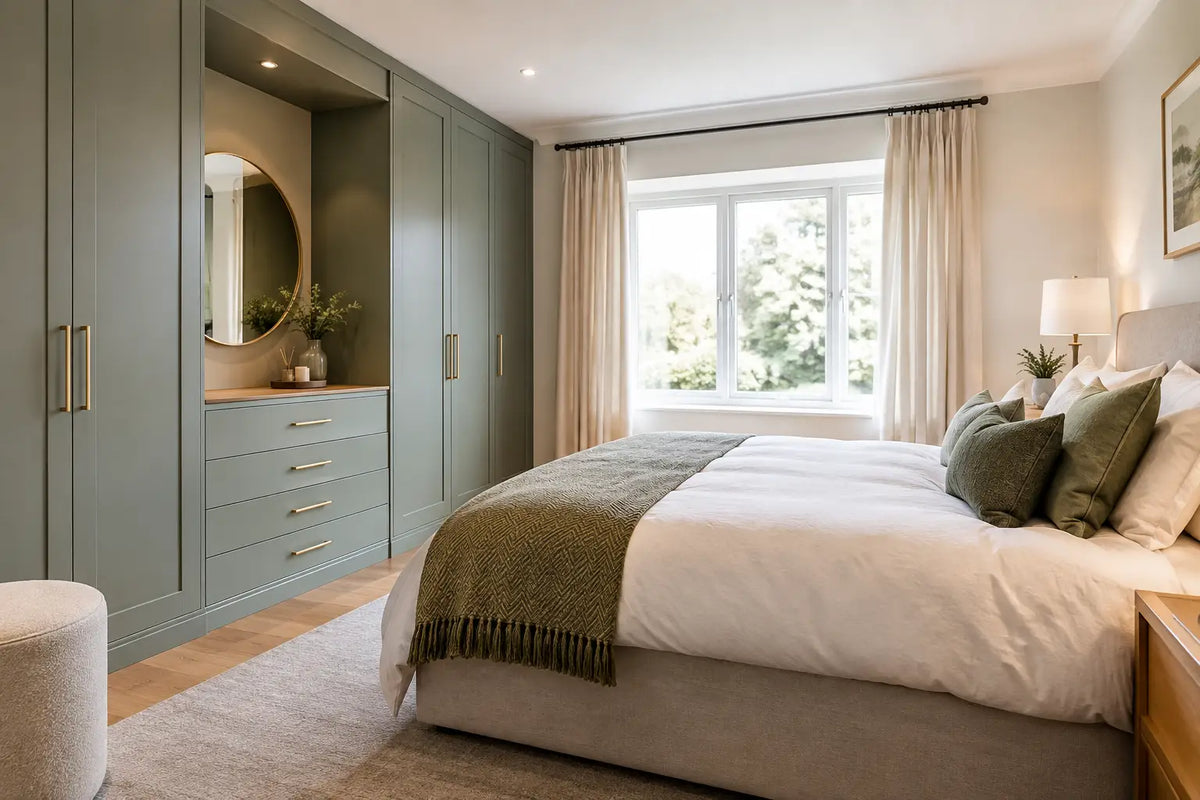
A bedroom can look beautifully decorated and still feel slightly wrong. Perhaps the bed overwhelms the bay window, the headboard stops short of the wall proportions, or valuable space beneath the mattress is going unused. Bespoke furniture resolves those small but significant compromises, allowing the room to support the way you sleep, dress, store and unwind.
For a principal bedroom, the difference is rarely about adding more. It is about choosing pieces with the right scale, finish and function, so the room feels calm from the moment you enter it. A made-to-order upholstered bed, tailored headboard or storage solution can turn an ordinary layout into a considered private retreat.
What bespoke furniture means in the bedroom
Bespoke is often used loosely, so it helps to distinguish between a fully one-off commission and a highly configurable piece. A truly bespoke item may be designed from the ground up around exact measurements and a particular brief. Made-to-order bedroom furniture usually begins with a proven design, then gives you meaningful choices over dimensions, fabric, colour, headboard style, feet, storage and mattress comfort.
Both approaches have their place. A completely unique design is ideal where a room has unusual architecture, such as a sloping ceiling, deep alcove or particularly narrow access. Configurable furniture is often the more efficient route when you have a clear aesthetic in mind and want the reassurance of established construction, without accepting an off-the-shelf finish.
The value lies in the result: a bed that feels selected for your home rather than simply delivered to it. In a room designed for restorative sleep, that sense of proportion matters as much as the decorative details.
Begin with the room, not the bed
The most successful bedroom schemes start with dimensions and movement. Before falling in love with a statement winged headboard or a generous super king, measure the entire room, including skirting, radiators, windowsills and the arc of the door. Consider the route into the property too, particularly in period homes, upper-floor flats and converted spaces.
Leave enough circulation around the bed for daily life to feel effortless. The amount will vary, but you should be able to make the bed, open drawers, access wardrobes and pass each other without turning the room into an obstacle course. A larger bed may be the right choice for comfort, yet it should not make the room feel compressed.
Choose scale with intention
A tall, deeply upholstered headboard can lend a modest bedroom a distinctly hotel-like presence, especially when it is centred and framed by balanced bedside furniture. In a lower-ceilinged room, a more streamlined profile may feel more elegant. Wall-panel headboards offer another option, creating a broad, tailored backdrop that can make the bed area feel architectural rather than crowded.
Width is only one consideration. The depth of the frame, the projection of a footboard and the opening mechanism of an ottoman all affect how the room works. A beautiful bed that makes the wardrobe difficult to use will not feel luxurious for long.
Fabric and colour should serve the atmosphere
Upholstery is where a bed becomes personal. Velvet can bring depth and a soft, indulgent finish; linen-look fabrics offer an understated, relaxed character; textured weaves can introduce visual interest without relying on pattern. The best choice depends on the light in the room, the surrounding materials and how you want the space to feel at the end of the day.
Pale neutrals can make a compact bedroom feel open, but they are not the only route to refinement. Soft mushroom, warm taupe, olive, inky blue and charcoal can create a cocooning effect, particularly when paired with layered bedding and gentle bedside lighting. In a larger room, a richer fabric can give the bed the presence it deserves.
Always view fabric samples in the bedroom itself. Daylight, lampshades, wall colour and flooring can alter the appearance of an upholstery shade considerably. It is also worth thinking beyond first impressions. A fabric that looks immaculate in a showroom may not be the most practical choice for a family bedroom, a home with pets or a room used frequently by children.
Let storage earn its place
Storage beds are among the most practical forms of bespoke furniture because they use an area that would otherwise sit empty. An ottoman base can house spare duvets, seasonal bedding, luggage or clothing while preserving the clean lines of the room. This is particularly valuable where a dressing room is not available or where you prefer fewer freestanding storage pieces.
The trade-off is access. Ottoman storage is excellent for items you do not need every day, but it is less convenient than bedside drawers for nightly essentials. Think about what you intend to store before deciding on the format. Side-opening ottomans can suit certain layouts, while end-opening designs may work better when there is clear space at the foot of the bed.
For a polished finish, avoid treating under-bed storage as a place for anything that does not fit elsewhere. Use it deliberately, keep the contents organised and leave enough room for the mechanism to operate comfortably. Practicality feels most luxurious when it is invisible.
Comfort is part of the specification
A bed frame and a mattress should be selected as a partnership. The most beautifully upholstered bed cannot compensate for a mattress that does not suit your body, sleep position or preferred feel. Equally, a high-quality mattress benefits from a supportive base designed to work with it.
Pocket springs are popular because they respond independently to movement, which can be especially appealing for couples. Natural comfort layers such as wool can help create a breathable, gently responsive feel, while different foam and fibre layers can offer pressure relief or a cooler sleeping surface. There is no universal best option. Your preferred level of support, body weight, temperature and whether you share the bed all influence the right choice.
If one partner prefers a firmer feel, consider whether a split tension mattress or a tailored sleep solution would bring greater comfort without compromising the visual unity of the bed. For long-term performance, follow the care guidance for turning or rotating the mattress, and use a protector that safeguards the surface without making it feel less breathable.
The details that create a five-star finish
In a thoughtfully designed bedroom, craftsmanship is felt in the details. Buttoning should be even and purposeful. Piping, seams and corner finishing should look considered from every angle. The headboard height should relate to the ceiling and the bedside tables, while the bed feet should complement the flooring and the wider interior scheme.
A few decisions deserve particular attention:
- Headboard shape: Choose channelled, winged, buttoned or panelled upholstery according to whether you want a contemporary, classic or more dramatic focal point.
- Bed height: Consider how easily you get in and out of bed, as well as the visual balance created by the mattress and bedding.
- Storage operation: Confirm which direction the ottoman opens and make sure the mechanism suits the room layout.
- Delivery access: Measure staircases, landings and lift interiors before finalising a larger frame or headboard.
A more considered way to buy
The pleasure of made-to-order furniture is that you do not have to rush towards a compromise. Take time to gather room measurements, order fabric swatches, assess your storage needs and think honestly about your sleep preferences. If you are working with an interior designer, share the practical brief as well as the visual one: mattress height, charging points, reading habits, children or pets, and how often the room needs to accommodate guests.
For hospitality settings, the same principle applies at a larger scale. Guest comfort, durability, easy maintenance and an adaptable design language must sit together. A bed should look inviting on arrival and continue to feel supportive after repeated use.
Hyder Living's Yorkshire-made bedroom pieces are designed around this balance of tailored upholstery, practical storage and considered comfort. The aim is not simply to furnish a bedroom, but to shape a place you look forward to returning to.
Choose the proportions that give you room to breathe, the fabric you will still admire in changing light, and the sleep system that leaves you properly rested. That is when a bedroom begins to feel entirely your own.
Share:
What White Glove Delivery and Assembly Includes
Which Mattress Suits Side Sleepers for Comfort?