
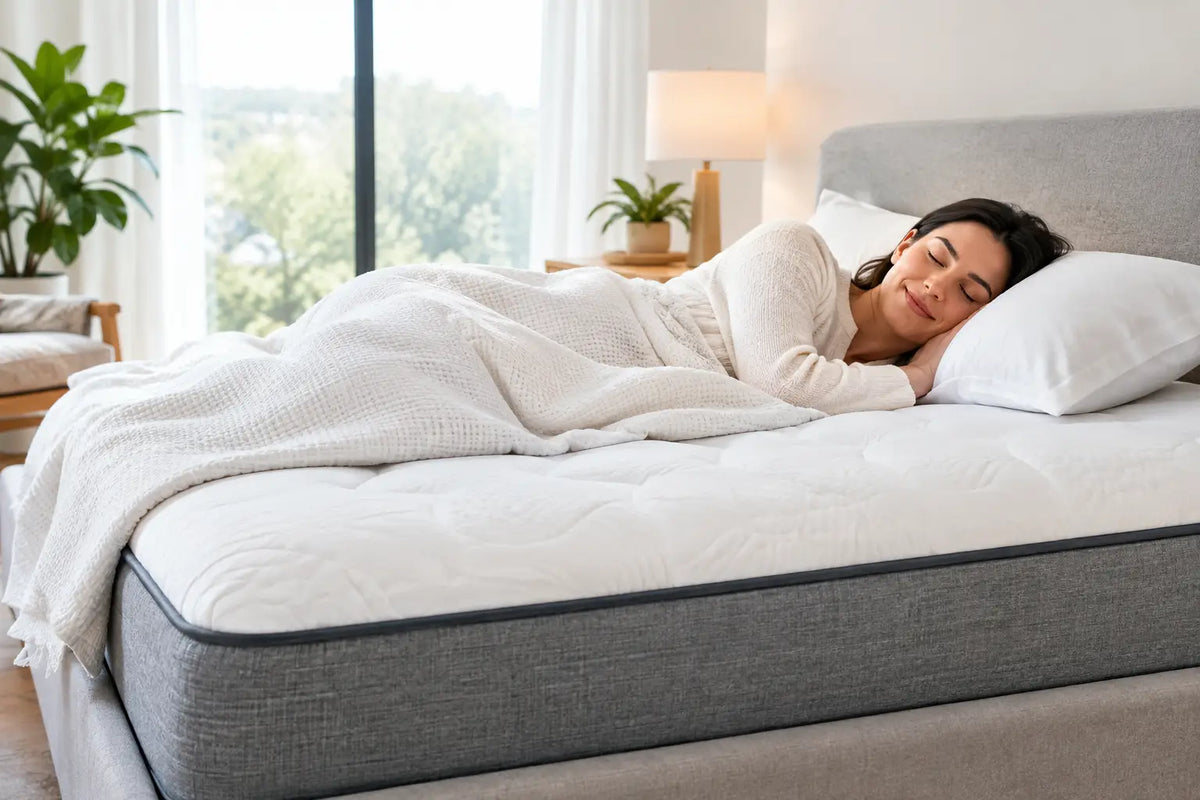
The most compelling mattress trends are not about novelty for its own sake. They are about bringing the composed comfort of a beautifully appointed hotel suite into the bedroom, with support tailored to the person sleeping on it. For discerning households, a mattress is no longer an afterthought beneath a statement bed. It is the foundation of restorative sleep, a polished interior, and the feeling of waking properly refreshed.
As expectations rise, the market is moving away from one-size-fits-all comfort. Material quality, temperature regulation, longevity and the relationship between mattress and bed base now matter as much as initial softness. Here is what is shaping the way people choose a premium mattress in 2026.
Mattress Trends Moving Beyond One-Size-Fits-All Comfort
Tailored support is taking centre stage
The idea that everyone needs either a soft or firm mattress is becoming less useful. Body weight, preferred sleeping position, whether you sleep alone or with a partner, and even the support offered by your bed frame all influence what will feel right.
Pocket-sprung mattresses remain a refined choice because each spring works independently. This can give more responsive support across the body and reduce the disturbance felt when a partner turns during the night. A higher spring count can be desirable, but it is not a shortcut to quality on its own. Spring gauge, zoning, upholstery layers and the overall construction determine how a mattress performs over time.
Zoned support is gaining particular attention. These mattresses are designed to offer differing levels of response around the shoulders, lumbar area and hips, helping to maintain a more natural sleeping posture. Side sleepers often appreciate gentle give at the shoulder, while back sleepers may prefer more assured support through the middle of the body. The correct choice is personal, which is why trying to choose by a firmness label alone can be misleading.
For couples with contrasting preferences, the most considered answer may be two mattresses within one shared bed size. This allows each sleeper to select their own tension without compromising the elegant, unified appearance of the bed. It is a particularly practical option for super king and emperor beds.
Natural fibres are valued for their feel, not just their story
Luxury shoppers are looking more closely at what sits between them and the springs. Natural comfort layers such as wool, cotton and cashmere continue to have appeal because they offer a distinctive, breathable feel and can contribute to a more composed sleep climate.
Wool is especially admired for its ability to help manage moisture and temperature. It can feel welcoming in cooler months without becoming oppressive when the room is warmer. Cotton adds freshness and softness, while more indulgent fibres may create a plush, gently cushioning surface. These materials should not be treated as a guarantee of universal comfort, however. The quantity, placement and combination of fillings affect whether the finished mattress feels buoyant, soft, firm or deeply padded.
There is also greater appreciation for mattresses that can be maintained rather than simply replaced. A traditionally upholstered, dual-sided mattress may require regular turning, but this care can help distribute wear and prolong its life. For some households, that ritual is well worth it. For others, a high-quality no-turn mattress offers a more convenient route to premium comfort. Neither approach is inherently better - it depends on the level of care you wish to give your sleep system.
Cooling Has Become a Year-Round Consideration
A bedroom should feel like a retreat, not a negotiation with an overheated mattress. Temperature regulation has become one of the most influential mattress trends, particularly for those who sleep warm, share a bed, or favour a generously upholstered bedroom where layers of texture can hold warmth.
Breathable covers, ventilated mattress borders and materials that allow air to circulate are increasingly important. Side vents, for example, can support airflow within the mattress and help moisture escape. Open, spring-led constructions may feel cooler than dense all-foam designs, although foam can still work beautifully when paired with breathable comfort layers and a well-designed cover.
The bed beneath the mattress deserves attention too. A solid platform base and a slatted bed frame can create different conditions for airflow and feel. Slats should be appropriately spaced and properly supported, while an ottoman bed should provide a stable, ventilated platform that suits the mattress specification. A premium mattress will perform at its best when the entire sleep set-up has been considered.
Bedding plays its part. A breathable mattress protector and well-chosen sheets can preserve the mattress without trapping unnecessary heat. Protectors are sensible, particularly in family homes or guest rooms, but a heavy, non-breathable layer can change the feel of even the finest mattress. The details matter.
The hotel-bed feeling is becoming more intentional
Many people want the inviting finish of a five-star hotel bed: a supportive mattress, a subtle layer of cushioning, crisp bedding and pillows that hold their shape. The difference is that the best homes are now creating this feeling to suit the people who actually sleep there, rather than attempting to copy a generic hotel room.
A mattress topper can be a considered finishing layer when used correctly. It can add pressure-relieving softness to a mattress that is still structurally supportive, or provide seasonal flexibility for those who prefer a more enveloping surface in winter. It cannot repair a mattress that has lost support, developed dips or reached the end of its useful life. A topper should enhance a sound foundation, not disguise a tired one.
This approach also suits guest bedrooms and hospitality settings. Guests notice the quality of a night’s sleep, even when they cannot name the construction beneath the sheets. For boutique accommodation and well-appointed spare rooms alike, the aim is a mattress that feels reassuringly supportive from the first night, remains presentable, and is practical to care for between stays.
Mattresses Are Being Chosen as Part of the Whole Bedroom
The strongest bedroom schemes are designed in layers. The bed’s silhouette, the height of the headboard, upholstery colour, bedside lighting and mattress depth all contribute to the finished effect. A deep, luxurious mattress can look exceptional beneath a tall upholstered headboard, but proportions need careful thought. An overly tall mattress may obscure an elegant headboard design, while a very slim mattress can look underwhelming on a substantial divan or ottoman base.
This is one reason made-to-order bedroom furniture has such lasting appeal. A velvet, boucle or linen-look bed can be selected to suit the room, while the mattress can be chosen for genuine comfort rather than forced to fit a standard display-bed formula. Hyder Living’s approach to configurable beds, fabrics and sleep products reflects this more thoughtful way of furnishing a bedroom: beauty and practicality should sit together naturally.
Storage beds are also influencing mattress decisions. Ottoman bases give valuable concealed storage in homes where wardrobe space is at a premium, but the lifting mechanism, bed base and mattress weight should be considered as one. A particularly heavy mattress may be wonderfully substantial, yet less convenient to lift regularly. A well-specified ottoman mechanism can make a meaningful difference, but it is sensible to discuss compatibility before ordering.
Longevity Is the New Luxury
A premium mattress should feel desirable on day one and dependable years later. This has encouraged more buyers to ask considered questions about handles, edge support, fillings, tufting, covers and care requirements. Handles are usually designed to position the mattress rather than carry its full weight, while reinforced edges can make sitting or sleeping near the side feel more secure and can preserve the usable sleeping surface.
Tufted mattresses remain popular for their traditional, tailored appearance and their ability to hold upholstery layers securely in place. Smooth-top alternatives can deliver a cleaner, contemporary profile. Again, the choice is aesthetic as well as practical: a tufted finish may suit a classic, opulent scheme, while a sleek surface can complement a more modern upholstered bed.
Care is part of the investment. Use a suitable protector, air the bed when changing linen, and rotate or turn the mattress according to its construction and care guidance. Avoid folding or bending it unnecessarily, and ensure the bed base is in good condition. These simple measures protect comfort, hygiene and appearance without demanding much of your time.
The right mattress trend to follow is the one that makes your bedroom feel more personal and your sleep more settled. Choose construction over slogans, comfort over fashion, and a finish that makes every evening feel like a return to your own private suite.
Share:
Bedroom Trends for a More Restful, Refined Home