
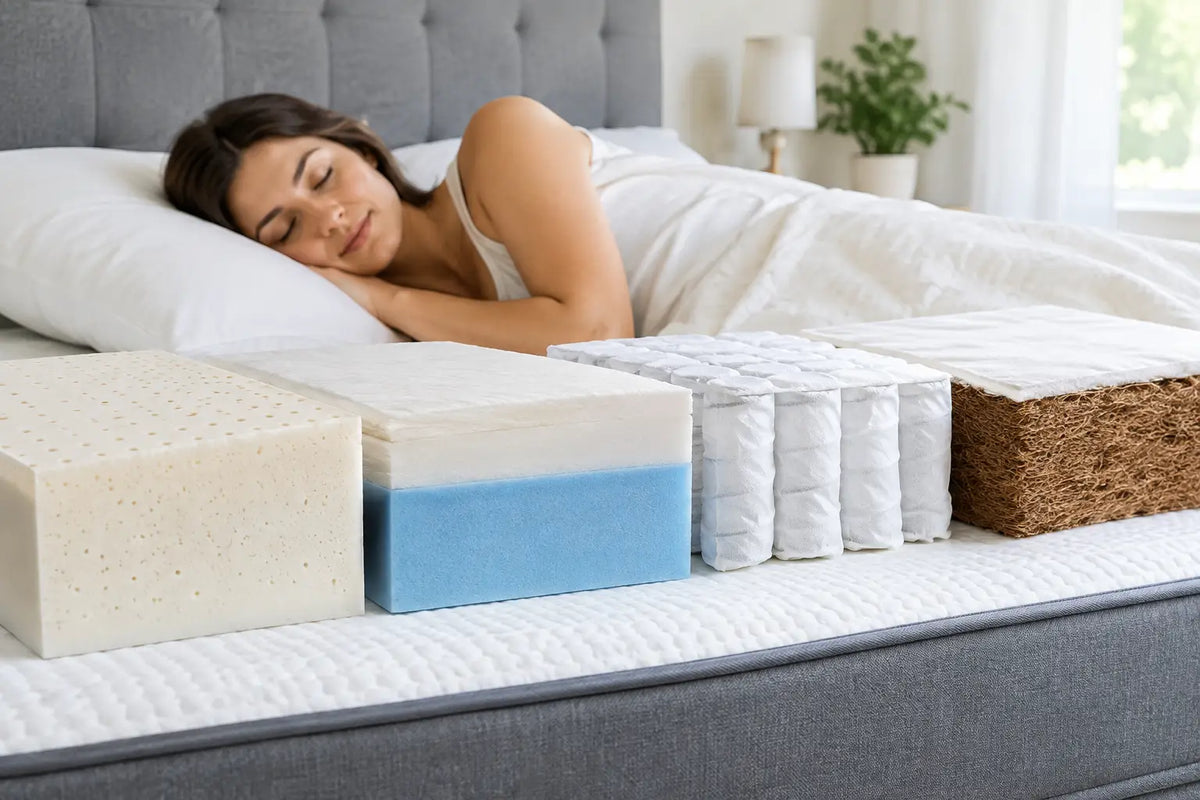
A beautiful bed frame sets the scene, but the mattress determines how you feel when the morning arrives. Best mattress materials explained is not simply a question of finding the most expensive filling. The right choice is the one that balances pressure relief, temperature regulation, support and longevity for your body, sleep style and preferred level of comfort.
A finely made mattress is a layered sleep system. Its springs or core provide its structure, while comfort fillings shape the first sensation as you settle down. The cover, stitching, vents and edge support also have their part to play. Understanding how these elements work together makes it far easier to select a mattress that feels considered rather than merely comfortable for five minutes in a showroom.
Best mattress materials explained: start with support
Support and softness are often confused, yet they serve different purposes. Support keeps your spine in a natural, neutral alignment. Comfort materials cushion the shoulders, hips and other pressure points. A mattress can feel sumptuously soft but still offer excellent support, provided its internal construction is appropriate for your weight and sleeping position.
For most discerning buyers, pocket springs remain an exceptionally versatile starting point. Each small, fabric-wrapped spring moves independently, so the mattress can respond more precisely to the contours of your body than an open-coil design. This is particularly valuable for couples: movement on one side of the bed is less likely to disturb the other sleeper.
The spring count matters, but it is not the whole story. Spring gauge, the number and quality of comfort layers, mattress depth and the way the mattress is upholstered all influence its feel. A generous pocket-spring unit paired with natural fillings will generally provide a more nuanced, breathable experience than a high spring count beneath minimal padding.
Pocket springs for tailored support
Pocket springs suit a wide range of sleepers and are especially appealing where personalised support is the priority. A medium tension is often a refined middle ground for average-weight side and back sleepers. Those with a larger build may appreciate firmer support, while lighter sleepers can find a softer tension more accommodating.
Look for edge support if you value a mattress that remains stable when sitting to dress or sleeping close to the perimeter. A well-supported edge also gives the sleeping surface a more generous, composed feel, especially on larger king and super king beds.
Open-coil springs for occasional use
Open-coil or Bonnell springs are connected in a single unit. They can offer dependable support at a more accessible price point and may be suitable for guest rooms, children’s rooms or occasional-use beds. However, they do not contour as individually as pocket springs, and motion transfer is more noticeable. For a principal bedroom intended as a true nightly retreat, pocket springs are usually the more luxurious investment.
Natural mattress fillings and their character
Natural fillings bring distinctive benefits that synthetic alternatives can struggle to replicate, particularly around breathability and moisture management. They are not automatically right for every preference, but they offer a wonderfully layered, traditionally upholstered feel.
Wool: naturally temperature regulating
Wool is one of the most accomplished mattress materials. Its fibres help manage humidity by absorbing moisture vapour and releasing it gradually, helping the sleep surface feel fresher through changing seasons. Wool also provides gentle cushioning with a resilient, buoyant character rather than the slow sink associated with some foams.
For sleepers who run warm, or for anyone who appreciates a bed that feels inviting in winter without becoming stuffy in summer, wool is an excellent choice. It is common in premium tufted mattresses, often layered with cotton, hair or other fibres. Over time, wool will settle and compact slightly - a normal characteristic that contributes to the mattress developing its own settled comfort.
Cotton for freshness and softness
Cotton is breathable, soft and familiar against the body. In a mattress, it helps create a cooler, drier surface and is often used alongside wool to balance loft and comfort. It is particularly welcome in mattress covers and quilting, where its natural feel can add to the sense of sleeping in a well-appointed hotel bed.
On its own, cotton is less resilient than wool, so it is best considered as part of a carefully balanced blend. A mattress with cotton and wool layers can offer both airy comfort and lasting structure.
Hair fillings for resilience
Horsehair, where used in premium traditional mattresses, is valued for springiness and airflow. Its curled fibres create tiny air pockets, giving the mattress a responsive feel and helping heat disperse. This is a specialist, luxurious material and can make a mattress feel more lively than deeply enveloping.
Hair-filled mattresses are often best suited to those who enjoy a supportive, responsive sleep surface and appreciate traditional craftsmanship. They can be a superb long-term choice when properly cared for, including regular turning where the design requires it.
Latex, memory foam and modern comfort layers
Modern materials have earned their place in high-quality sleep design. The key is knowing what sensation you want: buoyant and responsive, gently contouring, or deeply pressure relieving.
Latex: responsive and naturally breathable
Latex offers a distinctively buoyant comfort. It gently contours to the body, yet recovers its shape quickly when you move. This makes it appealing for combination sleepers who change position during the night and do not want to feel held in place.
Natural latex is also inherently breathable compared with many dense foams and can suit sleepers seeking pressure relief without excessive warmth. It is durable, though usually heavier and more costly than conventional foam. Its feel varies considerably by density and construction, so one latex mattress may feel pleasantly medium while another is notably firm.
Memory foam: close contouring pressure relief
Memory foam responds to body heat and pressure, moulding closely around the body. It can reduce pressure around the shoulders and hips, making it a popular option for side sleepers or those who prefer an enveloping sensation. It also absorbs movement effectively, which can be helpful if one partner is a restless sleeper.
The trade-off is warmth and slower response. Some people adore the cocooning comfort; others find it harder to turn or prefer a mattress with more lift. Gel-infused, open-cell or perforated foams can improve airflow, but a memory foam mattress will generally feel less naturally ventilated than one with wool, cotton or latex comfort layers.
Reflex foam: stable and practical
Reflex foam is a firmer, more responsive polyurethane foam commonly used as a support core or comfort layer. It does not contour as closely as memory foam but can provide a stable, even surface at a sensible price. Density matters here: higher-density foams tend to be more durable and better able to retain their shape.
The cover and finishing details matter too
A mattress cover is more than decoration. Knitted covers often feel soft and supple, while woven damask covers offer a more traditional, tailored finish. Natural fibre covers can enhance breathability, and removable covers may be practical in certain mattress types, although they are not always available on deeply upholstered designs.
Hand tufting deserves particular attention in luxury mattresses. Tufts secure the fillings through the depth of the mattress, helping them remain evenly distributed and producing a firmer, more supportive feel. A quilted or pillow-top finish can feel softer at first touch, though it may not offer the same degree of filling retention over many years.
Side-stitched borders, turning handles and air vents are also signs of thoughtful construction. Handles should be used to position a mattress rather than lift its full weight, while vents encourage air circulation through traditional fibre fillings.
Choosing materials for how you sleep
Your preferred position should guide the final decision. Side sleepers often benefit from pressure-relieving layers such as latex, memory foam or softer wool-rich upholstery, paired with reliable underlying support. Back sleepers usually need an even, medium to firm surface that prevents the hips from dipping too far. Front sleepers often prefer firmer, flatter comfort layers to avoid overextending the lower back.
Couples should consider both body weights and preferences. If one partner wants cushioning and the other needs firmer support, a pocket-sprung mattress with balanced natural layers can be a graceful compromise. On larger beds, two linked mattresses with individual tensions may also offer a highly tailored solution without sacrificing the appearance of one generous sleeping space.
Do not overlook practical care. Some mattresses are dual-sided and designed to be turned and rotated, allowing fillings to settle more evenly and extending their serviceable life. Others are single-sided, requiring rotation only. Follow the maker’s care guidance, use a quality protector and allow the mattress to air when changing bedding.
At Hyder Living, the most satisfying mattress choice is treated as part of the whole bedroom design: the size of the bed, the height of the headboard, the atmosphere of the upholstery and, above all, the kind of rest you want to return to each night. Choose materials that suit your body rather than a passing trend, and your bed can become the quietly indulgent place where every well-considered day begins.
Share:
Mattress Edge Support for Lasting Comfort
Tall Sleeper Beds for a More Considered Bedroom